Culture & History
The Moor and the weaving of different cultures
May 2026 · 9 min read
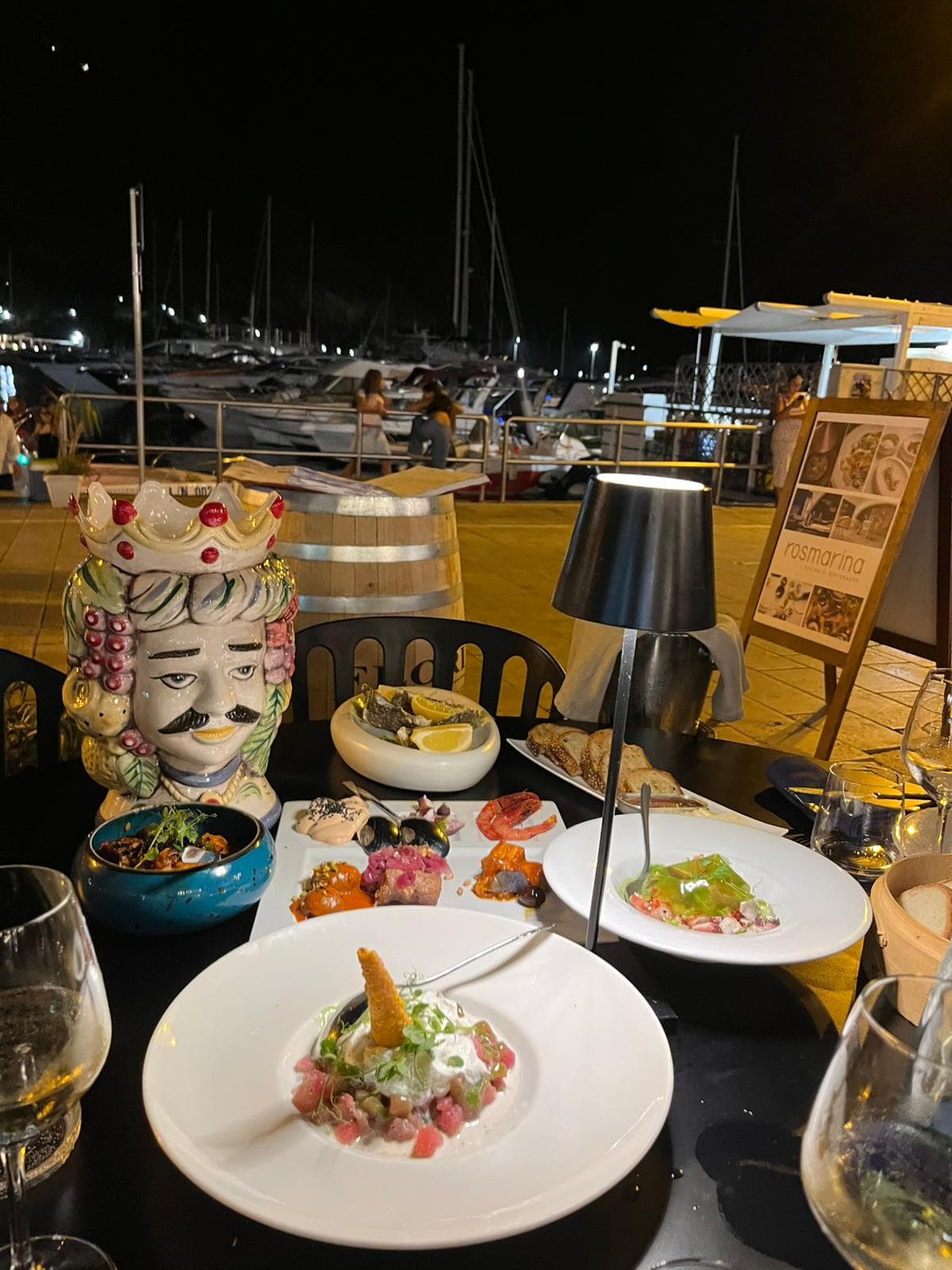
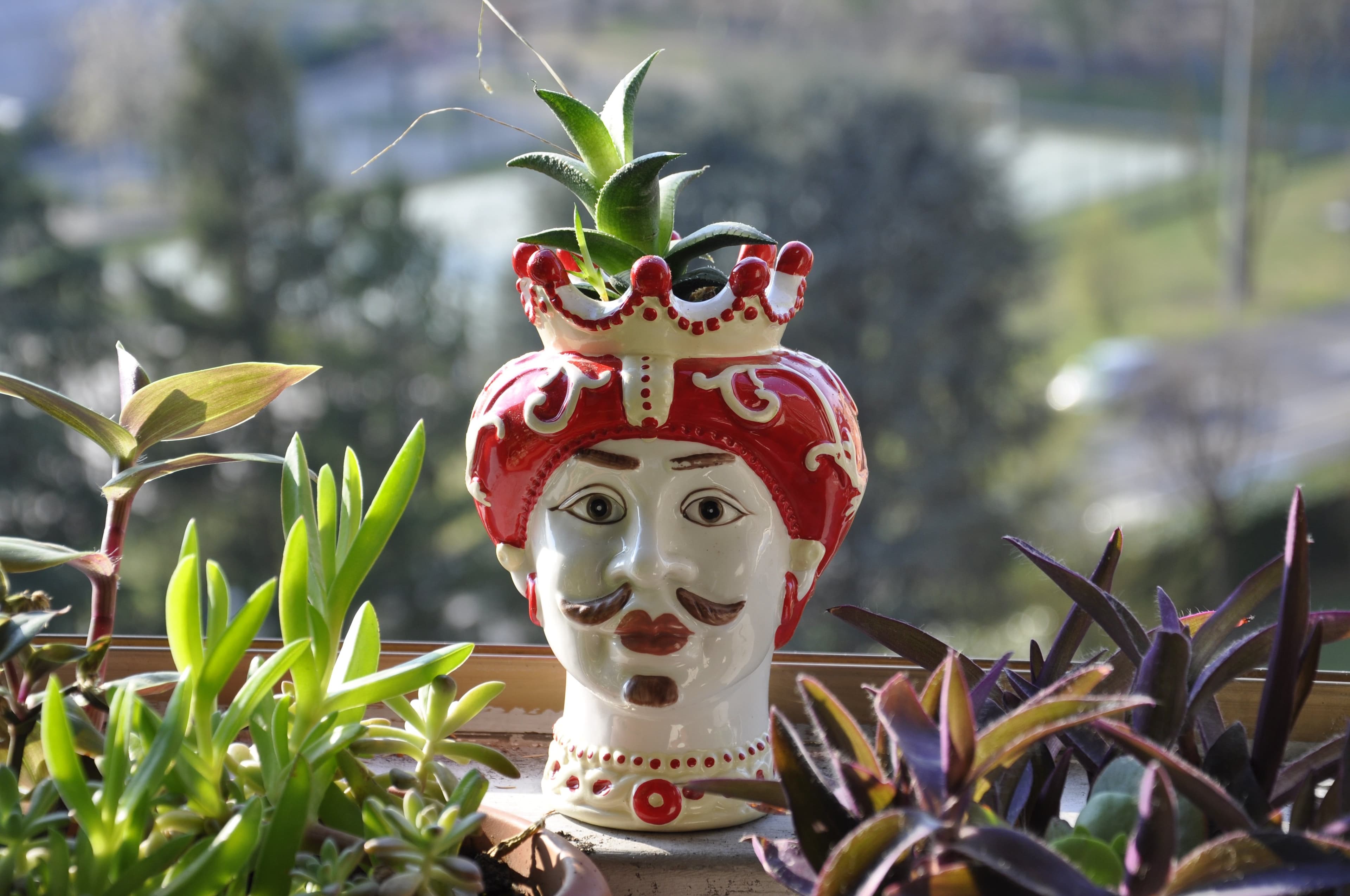
In Sicily there are stories never fully told out loud. They live in objects, in details, in symbols you almost stumble upon. The Moor’s heads are among them — not mere decoration, but fragments of memory given shape.
The legend unfolds in Palermo, when the island was crossed by many presences. A young woman watched the world from her balcony; life moved past her — faces, voices, languages not always her own. Among them appears a man, a Moor. He comes from far away, and for that very reason he draws the eye. He is not only different — he is new, carrying another way of being, another culture, another story.
The encounter is immediate: no distance, no hesitation. What elsewhere might divide, here brings people closer. They seek each other, recognize each other, choose each other. Something brief but intense unfolds — compressed time that seems enough on its own. Then truth emerges: the man has another life elsewhere, a family, a return he cannot avoid. What became everything for her remains, for him, a passage.
The response is extreme, as legends often are. In the night she kills him and cuts off his head. Yet the gesture does not end there — not only destruction, but transformation. The head is hollowed, shaped, turned into an object: a vase. She plants basil and sets it on the balcony in the light; she tends it daily. The basil grows stronger, more alive, more intense than any other plant.
Passers-by notice — not because of the story’s violence, but because of its vitality — and begin to copy it. Thus the symbol is born; what remains is not brutality alone, but history’s power to turn into something shared.
To reduce this legend to jealousy or romance alone is to miss its deeper layer. In Sicily every tale holds another level: not only two people, but two worlds — local life meeting what arrives from outside, and how even difficult encounters leave something that stays.
Across centuries Sicily has been exactly that: a crossing-point that became a place of staying. Arabs did not only traverse the island — they lived it, leaving deep traces in architecture, farming, daily rhythms. What arrived did not remain separate; it mingled.
Others followed — Normans, Byzantines, Spanish. Each brought something; little was erased. Sicily did not build identity by erasing difference, but by layering it. Over time that stratification became natural, almost invisible — visible in cities, detail, food, temperament.
One place makes this unmistakable: the Norman Palace. Inside, cultures coexist without shouting — Arab geometries speaking with Byzantine mosaics, Norman structure holding it together. Not forced fusion, but equilibrium built through time.
The Moor, then, becomes more than a character: not only the stranger, but what travels far and is absorbed, reshaped, made part of a wider identity. The presence does not vanish — it changes form. It remains.
That is Sicily — not frozen purity, but continuous weaving; culture born from encounter and contamination, from welcoming without losing oneself. The Moor’s heads are not ornaments: they mark an island that opened to build itself.
From this idea Del Moro Sicily takes shape — a space trying to tell Sicily as it is: not a surface to skim, but strata to understand; stories, cultures, visions that need time — not to be explained away, but to be truly seen.
Related stories
Stay close
Subscribe to the newsletter
Letters, news, promotions... subscribe to receive the latest updates from Del Moro Sicily.
Readers
What readers are saying
Notes from people following the Journal.
There are no approved comments for this story yet.
Leave a thought
Share a reaction or memory. Notes are reviewed before they may appear on this page.